


Biography
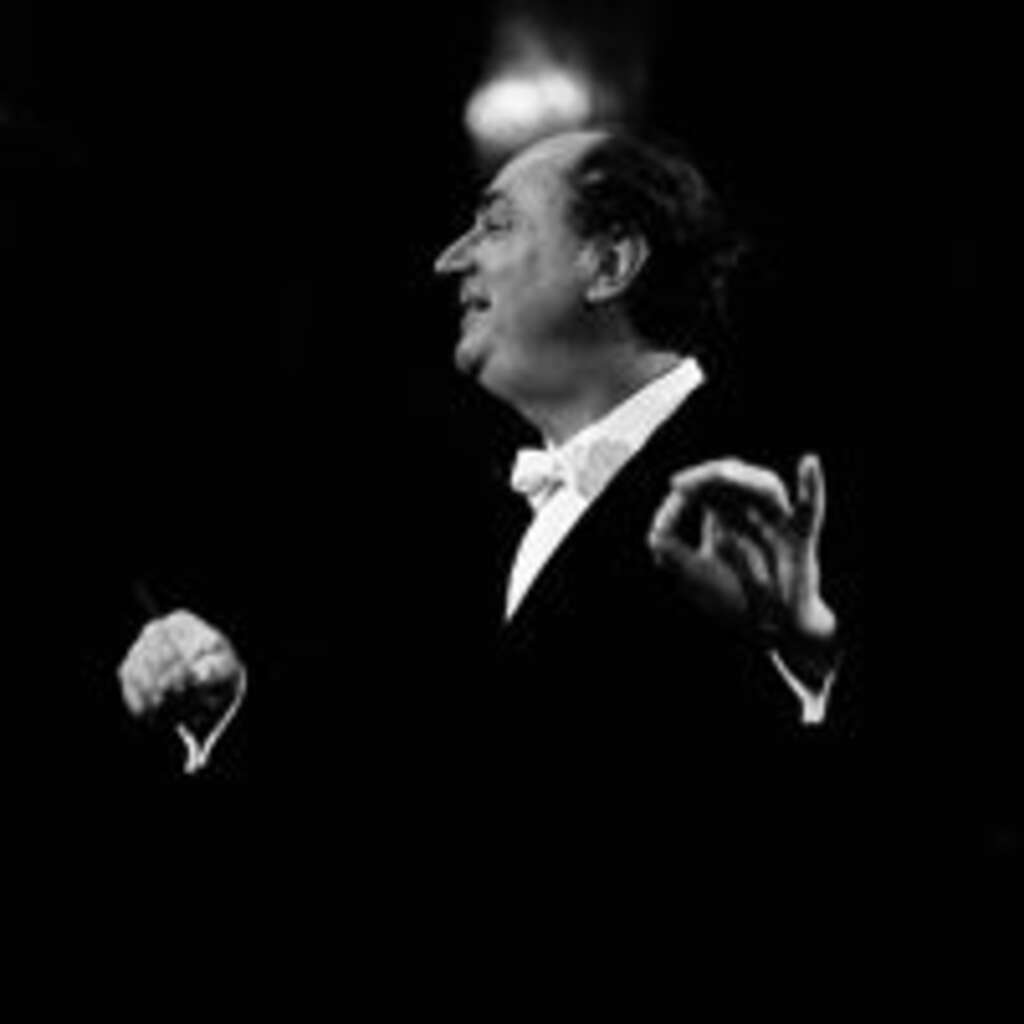
Rafael Kubelik was born in 1914 near Prague. As the son of the world famous violinist Jan Kubelik he had the ideal conditions to begin a musical career, and very early on he chose his own path. After studying at the Prague Conservatoire he stepped in to direct the Czech Philharmonic on tours of Great Britain and Belgium in 1937 and 1938. From 1939-1941 he was Musical Director of the Moravian State Opera in Brno, and in 1942 he became Principal Conductor of the Czech Philharmonic (in Prague). He was passionate in his campaigning for freedom, both artistic and humanitarian and as a fanatical anti-communist he emigrated to the west in 1948, becoming Musical Director of the Chicago Symphony Orchestra from 1950-1953 and the Royal Opera House Covent Garden from 1955-1958.
Rafael Kubelik found his ideal workplace in Munich, where, as Principal Conductor of the Bavarian Radio Symphony Orchestra for eighteen years, he left his mark on Munich\\\'s musical life and brought his orchestra international acclaim. The Kubelik era ended in 1985 when, as Guest Conductor, he was forced to call off a concert due to illness. As a result of this he terminated his conducting career and dedicated himself earnestly to composition. After the breakdown of the left-wing dictator-ship in 1990 he returned to Prague to celebrate the triumph with a performance of Smetana\\\'s “My Fatherland”. Rafael Kubelik died in 1996.
Kubelik was a strong and diverse personality, renowned in the musical capitals of the world as a tireless perfectionist who, in spite of a powerful emotional impetus and alert intellect, never aspired to stardom. The concept of adhering strictly to musical texts was alien to Kubelik. He strove rather to realise his vision of the work-in-hand, which he did with the instinctiveness of a conductor who also composes. As with several of his great contemporaries (e.g. Bernstein, Solti) his presence and charisma were tremendous while conducting and while “governing” (as he jokingly called it). Nothing would escape him, even on the spur of the moment, and he would react immediately with spontaneity and decisiveness. His artistic creed was clearly formulated: “I believe that music and art can only then be legitimate when they endeavour to improve humanity without that aesthetic justification Art would remain an ingenious game.”
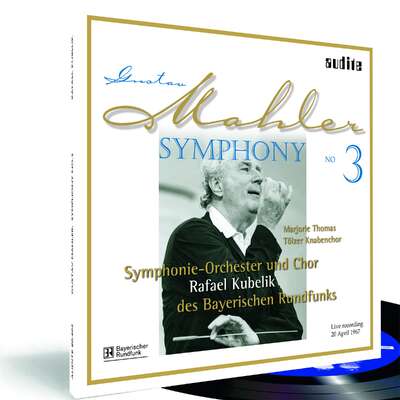
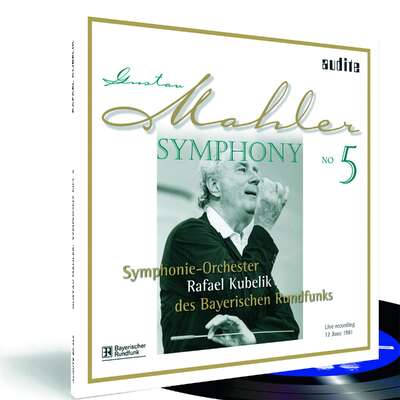
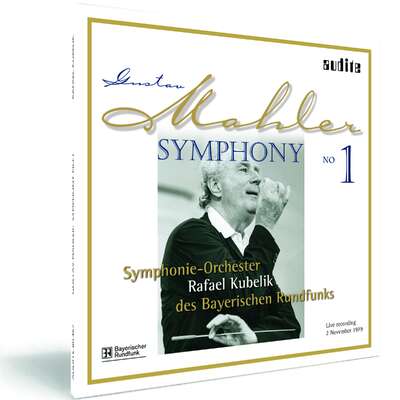
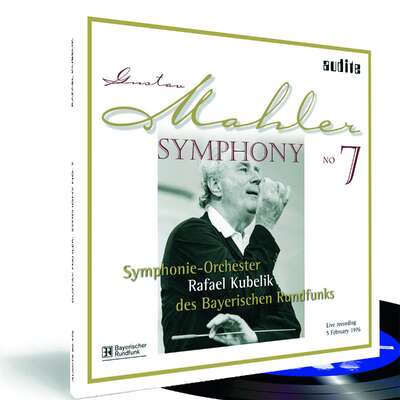
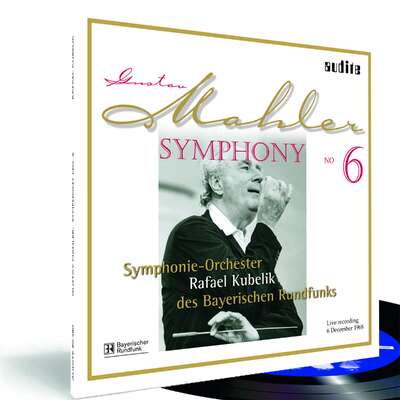
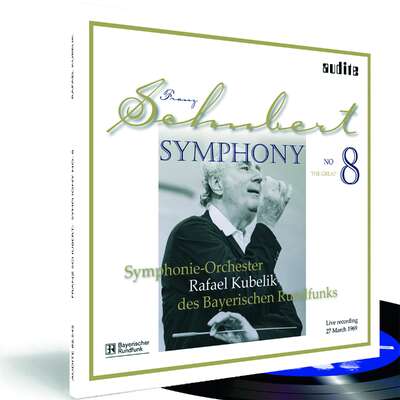
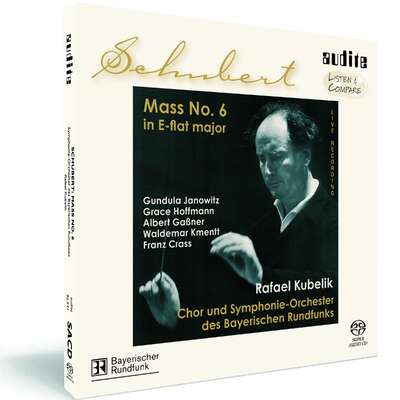
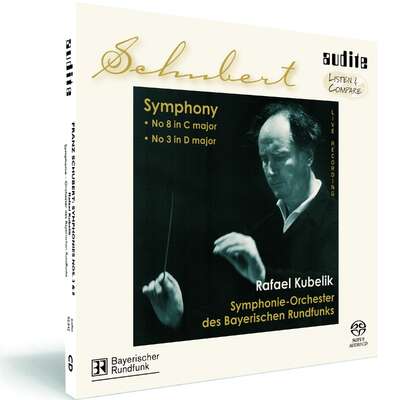
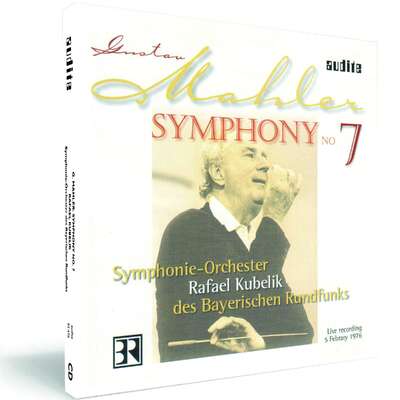
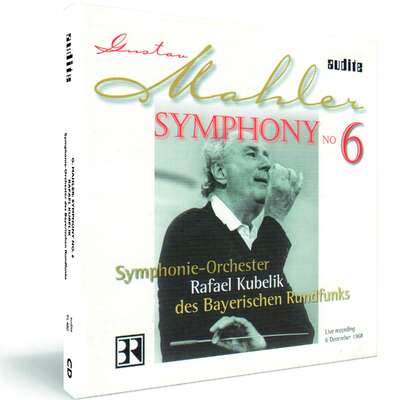
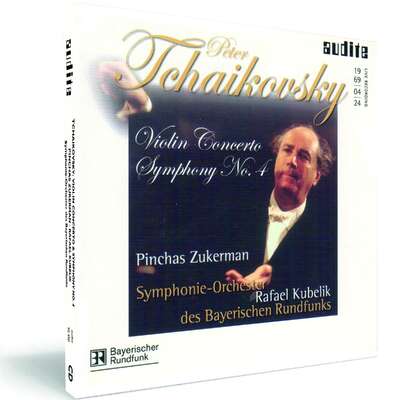
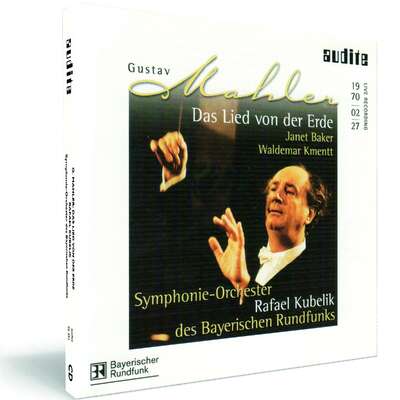
Rafael Kubelik | conductor
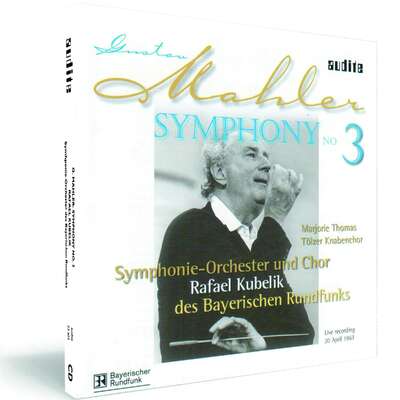
Gustav Mahler: Symphony No. 3
Gustav Mahler 2CD
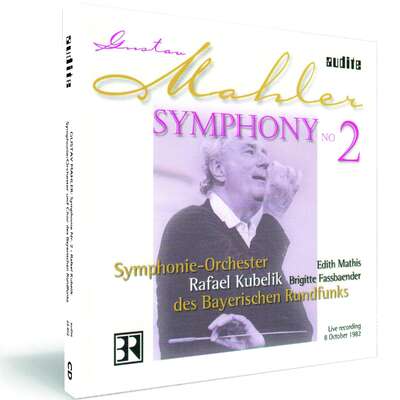
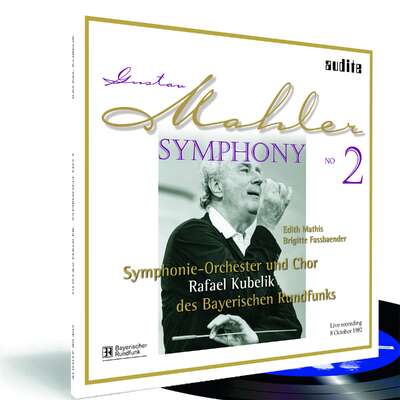
Gustav Mahler: Symphony No. 2
Gustav Mahler 2LP-180g
Gustav Mahler: Symphony No. 3
Gustav Mahler 2LP-180g
Gustav Mahler: Symphony No. 5
Gustav Mahler 2LP-180g
Gustav Mahler: Symphony No. 1
Gustav Mahler 2LP-180g
Gustav Mahler: Symphony No. 7
Gustav Mahler 2LP-180g
Gustav Mahler: Symphony No. 6
Gustav Mahler 2LP-180g
Franz Schubert: Symphony No. 8, D 944 'The Great'
Franz Schubert LP-180g
Franz Schubert: Mass No. 6 in E-flat major, D 950
Franz Schubert SACD
Franz Schubert: Symphony No. 8, D 944 & No. 3, D 200
Franz Schubert SACD
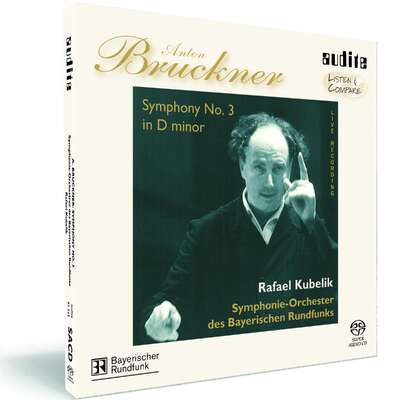
Anton Bruckner: Symphony No. 3
Anton Bruckner SACD
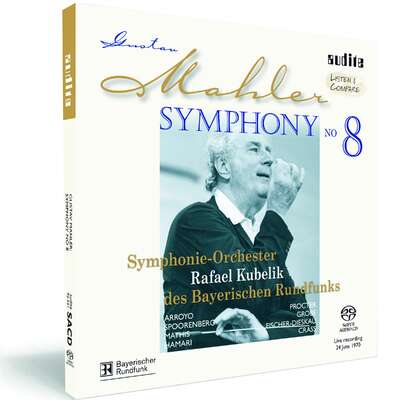
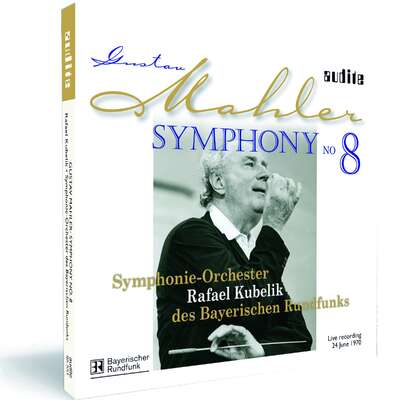
Gustav Mahler: Symphony No. 8
Gustav Mahler SACD
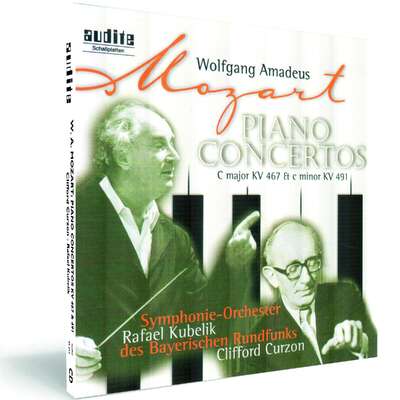
Wolfgang Amadeus Mozart: Piano Concertos No. 21 & No. 24
Wolfgang Amadeus Mozart CD
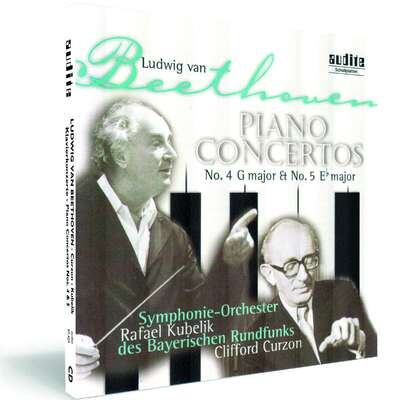
Ludwig van Beethoven: Piano Concertos No. 4 & No. 5
Ludwig van Beethoven CD
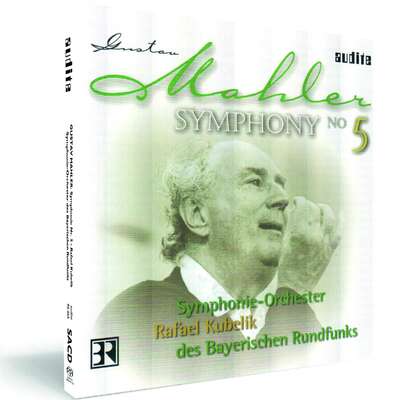
Gustav Mahler: Symphony No. 5
Gustav Mahler CD
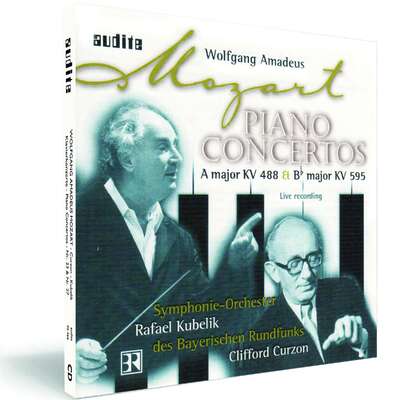
Wolfgang Amadeus Mozart: Piano Concertos No. 23 & No. 27
Wolfgang Amadeus Mozart CD
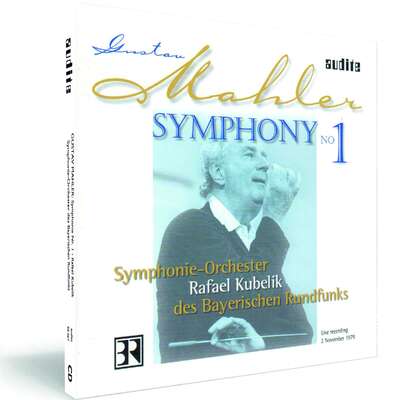
Gustav Mahler: Symphony No. 1
Gustav Mahler CD
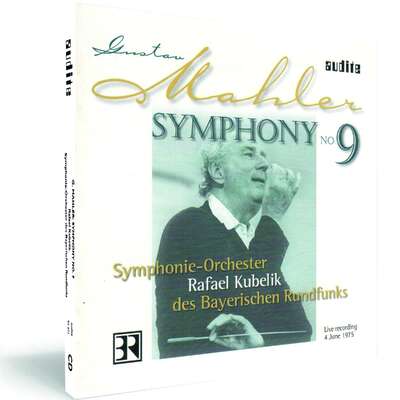
Gustav Mahler: Symphony No. 9
Gustav Mahler CD
Gustav Mahler: Symphony No. 7
Gustav Mahler CD
Gustav Mahler: Symphony No. 6
Gustav Mahler CD
Piotr Ilyich Tchaikovsky: Violin Concerto & Symphony No. 4
Piotr Ilyich Tchaikovsky CD
Gustav Mahler: Das Lied von der Erde
Gustav Mahler CD
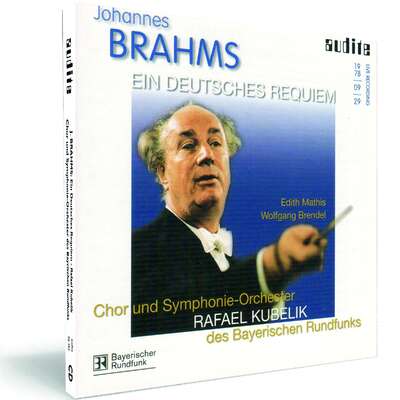
Johannes Brahms: Ein Deutsches Requiem
Johannes Brahms CD
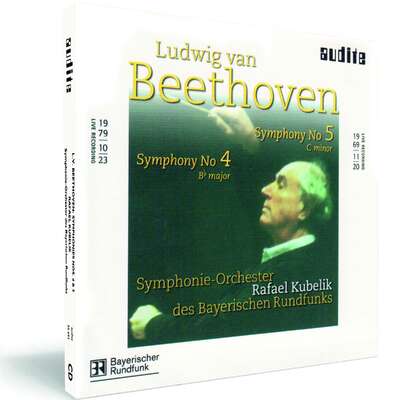
Ludwig van Beethoven: Symphony No. 4 & No. 5
Ludwig van Beethoven CD
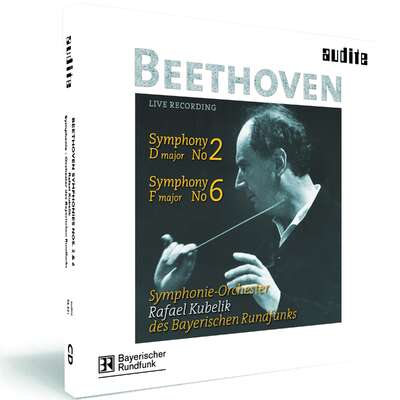
Ludwig van Beethoven: Symphony No. 2 & No. 6 ('Pastorale')
Ludwig van Beethoven CD
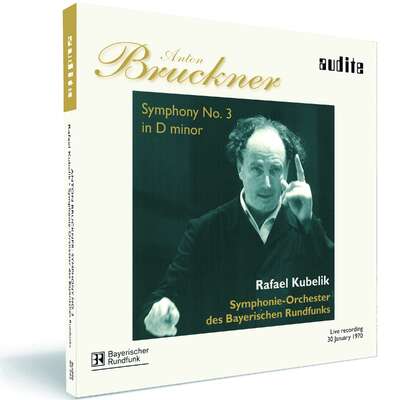
Anton Bruckner: Symphony No. 3
Anton Bruckner CD
Gustav Mahler: Symphony No. 8
Gustav Mahler CD
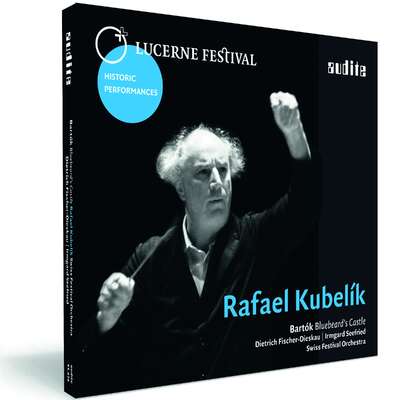
Rafael Kubelik conducts Bartók: Bluebeard’s Castle
Béla Bartók CD
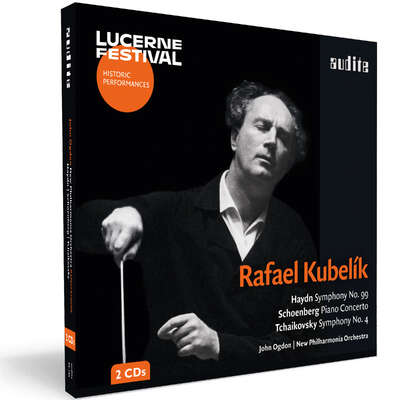
Rafael Kubelík conducts Haydn, Schoenberg & Tchaikovsky
Joseph Haydn 2CD